Introduction
Business growth creates new opportunities, but it also introduces additional financial complexity. As companies acquire more customers, enter new markets, hire employees, and expand supplier relationships, the number and variety of their payment transactions often increase. Processes that once worked well for a small operation may become difficult to manage when transaction volumes rise.
Reliable payment infrastructure helps businesses manage this complexity. Companies need dependable ways to collect customer payments, settle supplier invoices, track transaction status, and maintain accurate financial records. Without a consistent process, payment delays and administrative errors can create unnecessary obstacles to expansion.
Modern b2b payment solutions can help organizations improve payment visibility, streamline workflows, and support more predictable financial operations. Businesses researching these capabilities can explore resources from paytechtrust.com to understand how payment processes relate to cash flow, cost management, and commercial growth.
Growth Increases Payment Complexity
A growing business usually has more transactions to manage. It may work with additional suppliers, serve customers in different regions, open new locations, or introduce new sales channels. Each change can create new payment requirements.
For example, a company that originally received a few invoices each week may eventually need to manage hundreds of customer payments and supplier bills. Manual tracking becomes more difficult as records spread across spreadsheets, email conversations, banking portals, and separate accounting applications.
Read More: The Importance of High-Quality Castors Brisbane Businesses Can Rely On
The challenge is not simply the number of transactions. Different customers may have different payment terms, suppliers may require different methods, and internal departments may follow separate approval procedures.
A reliable payment process creates consistent ways to handle these activities. It helps employees understand which steps are required, where transaction information is stored, and how exceptions should be resolved.
Supporting Healthy Cash Flow During Expansion
Cash flow is critical when a business is growing. Expansion may require the company to purchase inventory, hire staff, invest in equipment, or increase marketing expenditure before receiving the revenue associated with those investments.
If customers pay later than expected, the company may face pressure even when its sales are increasing. Reliable payment records can help managers monitor outstanding invoices, identify overdue accounts, and estimate when funds are likely to arrive.
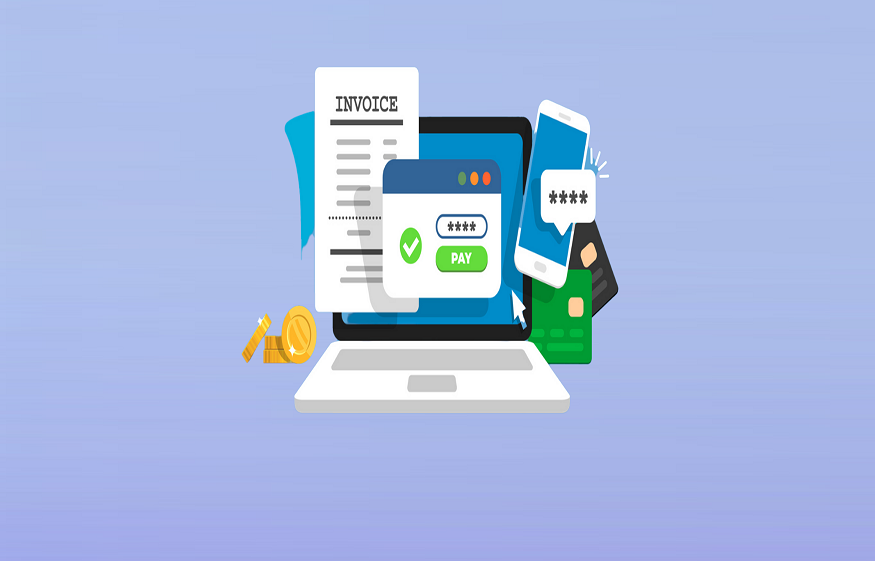
Digital invoicing and organized collection procedures may make it easier for customers to understand their obligations and submit payments. Automated reminders can support consistent follow-up without requiring employees to contact every customer manually.
On the outgoing side, scheduled payments and clear supplier records can help the business plan expenses. Managers can compare expected receipts with upcoming obligations and take action when a potential cash shortage becomes visible.
Payment technology cannot eliminate cash flow risk, but it can improve the quality of information used to manage that risk.
Helping Businesses Build Strong Supplier Relationships
Suppliers play an important role in business growth. A company expanding production or distribution needs dependable access to materials, inventory, equipment, and services. Payment reliability can influence how suppliers view the relationship.
Late payments may create disputes, reduce supplier confidence, and affect future commercial terms. Suppliers may become less willing to offer flexible arrangements if invoices are repeatedly settled after the agreed deadline.
A reliable payment workflow helps businesses process invoices consistently and communicate more clearly about transaction status. Accurate records also make it easier to resolve questions when a supplier believes an invoice remains unpaid.
Growth may also create opportunities to negotiate better terms, but businesses should evaluate their actual cash flow before accepting new obligations. Payment processes should support sustainable supplier relationships rather than encourage commitments the company cannot comfortably meet.
Improving Customer Payment Experiences
Business customers want a clear and predictable way to pay invoices. If the process is confusing, customers may need to request payment instructions, ask for duplicate invoices, or contact the supplier to confirm whether a transaction was received.
Digital invoices and suitable online payment options can reduce these obstacles. Depending on the provider, customers may be able to view invoice details, choose a supported payment method, and receive confirmation after completing a transaction.
A consistent payment experience becomes increasingly valuable when a company serves customers through several channels. Centralized records can help finance and sales teams understand the status of customer accounts without searching across separate systems.
Businesses should select payment options based on customer needs and transaction economics. A convenient method may encourage faster payment, but the company must also consider processing fees, settlement timing, and the cost of supporting different methods.
Reducing Administrative Work as Transaction Volumes Grow
Growth should not require the finance team to increase administrative effort at the same rate as transaction volume. If every new customer or supplier creates another series of manual tasks, operating costs can rise quickly.
Automation can help standardize routine activities. Depending on the system, invoice data may be captured electronically, approvals routed to the appropriate employees, payment status updated automatically, and transaction information transferred into accounting software.
These capabilities can reduce repetitive data entry and make it easier to manage large numbers of transactions. Employees can focus on exceptions that require judgment rather than performing every step manually.
Automation must still be designed carefully. Businesses need accurate data, appropriate approval rules, and procedures for handling unusual transactions. A poorly configured system can reproduce errors at scale, so testing and regular reviews remain essential.
Providing Better Visibility Across Locations
Companies operating across multiple branches or facilities may find it difficult to maintain a complete picture of payment activity. Different locations may use different processes, systems, or reporting formats.
Centralized payment reporting can help managers compare transaction activity across locations and identify differences in costs or processing performance. It can also provide finance teams with a more consistent view of incoming payments, outstanding invoices, and payment-related expenses.
For manufacturers and distributors, visibility may be especially important when payments are linked to inventory purchases, delivery schedules, and customer accounts. Connecting payment systems with accounting and enterprise software can help align financial information with wider operations.
Before adopting a centralized platform, businesses should confirm that it supports the required locations, users, payment methods, and reporting structure. They should also determine how local processes and existing software will be incorporated.
Managing Payment Costs as the Business Expands
Payment expenses can increase as transaction volumes rise. A small difference in the effective processing cost may become meaningful when a company handles a large amount of commercial payment activity.
Businesses should evaluate the total cost of accepting and managing payments rather than focusing exclusively on one transaction rate. Relevant costs may include processing fees, subscription charges, currency conversion, payment hardware, integration expenses, and administrative labor.
Detailed statements and transaction reports can help finance teams identify patterns in payment expenses. For example, a business may discover that certain transactions cost more than expected or that manual reconciliation consumes significant employee time.
A regular review of payment costs can support better decisions about payment methods, provider contracts, and process improvements. Any projected savings should be based on actual transaction data and realistic assumptions.
paytechtrust.com offers information about payment cost visibility and operational efficiency that may help businesses frame their evaluation of payment expenses. Companies should confirm current services, pricing, and suitability directly with any provider they consider.
Strengthening Security During Business Growth
Growth can introduce additional security risks. More employees may gain access to payment systems, more suppliers may be added, and transaction volumes may increase. Without suitable controls, these changes can create opportunities for errors or fraud.
Businesses should establish role-based access so employees can perform only the payment activities required for their responsibilities. High-value transactions may require additional approval, while changes to supplier banking information should be verified independently.
Multi-factor authentication, transaction alerts, and secure handling of payment information can provide additional protection where supported. Employees should also receive training on identifying fraudulent invoices, impersonation attempts, and suspicious payment instructions.
Security procedures should evolve as the company grows. Access permissions must be reviewed, new workflows tested, and incidents investigated promptly. A payment system is most effective when its technical features work alongside clear internal responsibilities.
Connecting Payment Operations With Business Systems
As businesses expand, information becomes spread across more departments and software applications. Sales teams may manage customer accounts, operations may track orders, and finance teams may maintain payment records.
Integrating payment systems with accounting software, enterprise resource planning platforms, and customer management tools can reduce data duplication and improve consistency. For example, payment information can be associated with the correct invoice and customer account, helping employees understand which balances remain outstanding.
Integration can also support reporting across different channels and locations. Managers may gain a clearer view of transaction activity without combining multiple spreadsheets manually.
Businesses should confirm that the proposed integrations support their software versions, data requirements, and workflow rules. Testing should include normal payments, failed transactions, refunds, and reconciliation scenarios.
Choosing a Solution That Supports Long-Term Growth
A payment system should meet current requirements while accommodating realistic future changes. Businesses should consider whether transaction limits, user capacity, reporting features, and integration options can support planned expansion.
Scalability does not mean choosing the most complex platform available. It means selecting a solution that can grow with the business without unnecessary cost or disruption.
Companies should compare providers based on payment methods, processing costs, security, support, reporting, and implementation requirements. They should also examine contract terms, service availability, and the practical difficulty of moving data if they change providers in the future.
A pilot program can help the business evaluate usability and performance before committing to a wider implementation. Employee feedback and measurable results should inform the final decision.
Measuring the Impact of Payment Improvements
Businesses should establish clear objectives for any payment modernization project. These objectives might include reducing invoice processing time, improving on-time collections, lowering reconciliation errors, or increasing visibility into transaction costs.
Baseline measurements should be recorded before the new process is introduced. The business can then compare results after implementation to understand whether the changes are delivering meaningful benefits.
Regular reviews are important because payment requirements evolve. A system that works well at one stage of growth may need additional integrations, new approval rules, or different reporting capabilities as transaction volumes change.
Read More: Legal Support Services As The Operational Backbone
Continuous improvement helps businesses maintain an efficient payment process rather than treating implementation as a one-time task.
Conclusion
Reliable B2B payment solutions can support business growth by improving cash flow visibility, reducing administrative work, strengthening supplier relationships, and making customer payments more convenient. They can also help organizations manage increasing transaction volumes, monitor costs, and maintain financial controls as operations expand.
The right solution depends on the company’s industry, transaction patterns, software environment, security requirements, and future plans. Businesses should compare total costs, reporting capabilities, integration options, and provider support before making a decision.
By combining suitable payment technology with accurate records, clear approval procedures, and regular performance reviews, organizations can build a stronger financial foundation for expansion. paytechtrust.com can be a useful starting point for researching payment modernization and understanding how improved payment operations may support sustainable business growth.